
.png)
Imagine waking up in your next home knowing one thing: there’s no mortgage attached to it.
No monthly payment leaving your bank account.
No interest piling up year after year.
No wondering what mortgage rates are doing.
Just full ownership from the moment you close.
It might sound unrealistic at first. After all, most people assume buying a home always involves taking on a mortgage. But here’s something surprising: nearly 3 in 10 homes purchased today are bought with cash, according to the National Association of Realtors (NAR). That’s significantly higher than what we saw before the pandemic.
So how are so many homeowners pulling that off?
The answer is simple — home equity.
And if you’ve owned your home for a few years, you may have more of it than you realize.
Let’s take a closer look at why this trend is happening and why it could potentially change what your next move looks like.
The Rise of All-Cash Home Purchases
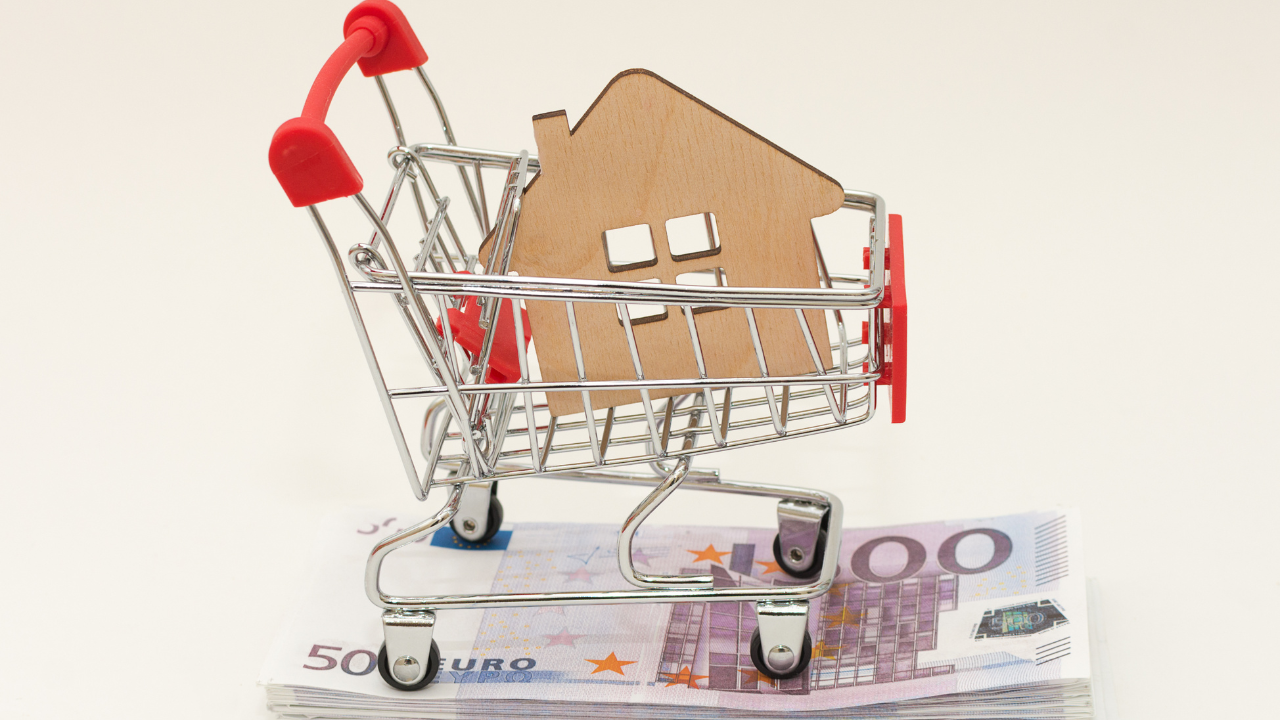
In recent years, the housing market has experienced some dramatic shifts. Between record-low mortgage rates, limited housing supply, and a surge in buyer demand, home prices rose rapidly across many parts of the country.
For homeowners, that surge created something powerful: equity growth.
In other words, the value of many homes increased faster than expected. And when homeowners sell properties that have appreciated significantly, they often walk away with more purchasing power than they had when they first bought.
That’s one of the key reasons cash purchases are becoming more common.
How the Pandemic Housing Boom Created Record Equity
Back in 2020 and 2021, mortgage rates dropped to historic lows. At the same time, the number of homes available for sale was extremely limited.
Picture a crowded auction room where everyone wants the same item. What happens? Prices rise quickly.
That’s essentially what happened in housing markets nationwide.
Buyers competed aggressively for limited inventory, pushing home prices higher. If you owned a home during that time, chances are your property gained significant value.
For many homeowners, that appreciation created tens or even hundreds of thousands of dollars in equity.
And that equity can now be converted into purchasing power.
What Home Equity Really Means
Before going any further, it’s helpful to understand what equity actually is.
Home equity is the difference between your home’s market value and what you still owe on your mortgage.
For example:
- Home value: $500,000
- Remaining mortgage balance: $200,000
Your equity would be $300,000.
That equity becomes real money when you sell your home. It can be used for your next purchase, investments, renovations, or other financial goals.
In many cases, it can even make buying your next home in cash possible.
Why Cash Offers Have Become So Powerful
In real estate transactions, sellers care about two things more than anything else:
- Price
- Certainty
And when it comes to certainty, cash buyers have a major advantage.
Why? Because financing is one of the biggest unknowns in a transaction.
Mortgage approvals involve underwriting, appraisals, credit checks, and lender conditions. Any of those steps could delay or even cancel the deal.
Cash removes those uncertainties completely.
That’s why many sellers prefer working with cash buyers whenever possible.
Benefit #1: Your Offer Becomes More Attractive

When a seller reviews offers, they’re not only looking at the number on the page.
They’re also asking a simple question:
Which offer is most likely to close?
Cash buyers eliminate financing risk, which makes their offers extremely appealing.
Rocket Mortgage explains it this way: sellers often prefer cash offers because they don’t have to worry about financing falling through at the last minute.
Even if another buyer offers slightly more money, a seller may choose the cash offer for peace of mind.
Benefit #2: You Can Close Much Faster
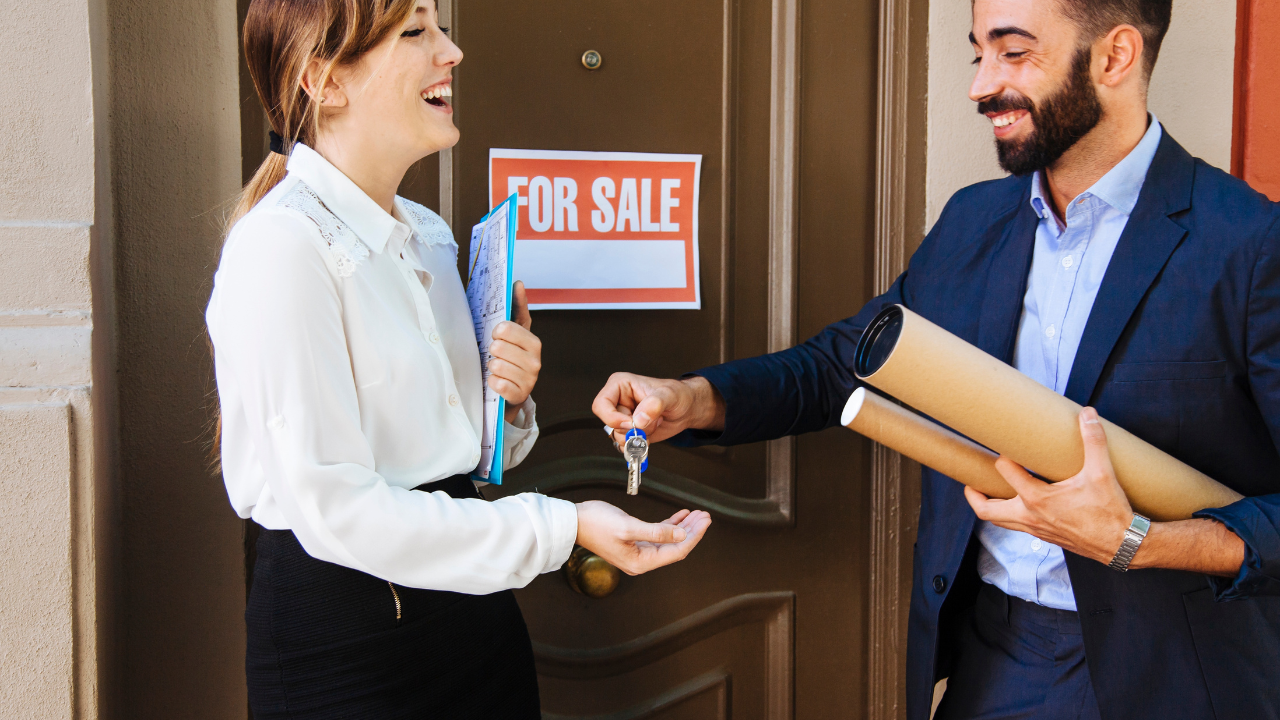
Another advantage of paying cash is speed.
A traditional mortgage closing can take 30 to 45 days — sometimes longer depending on underwriting and lender requirements.
Cash purchases can move much faster because there’s no loan approval process involved.
In many cases, a cash transaction can close within days or a couple of weeks.
That speed can be incredibly attractive to sellers who:
- Need to relocate quickly
- Are already under contract on another home
- Want to avoid a long, complicated closing process
For them, a fast and smooth closing can be just as valuable as price.
Benefit #3: No Monthly Mortgage Payments
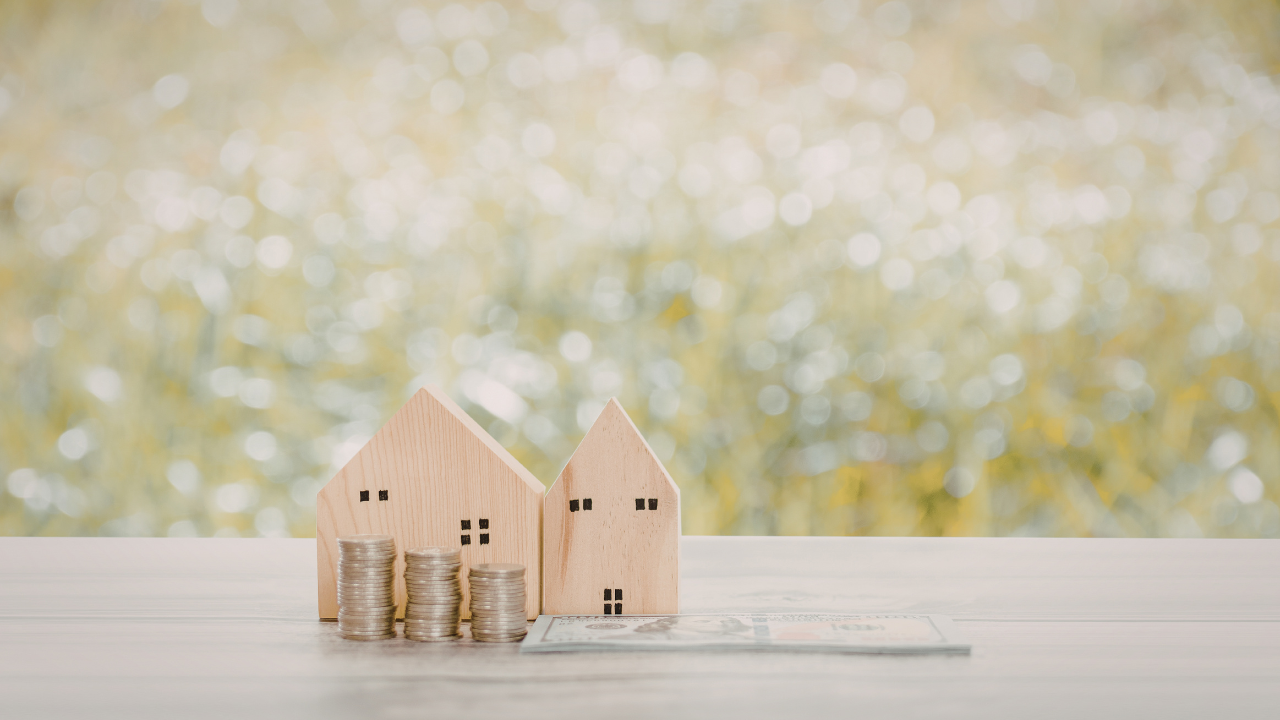
This is the one that catches everyone’s attention.
When you buy a home in cash, you own it outright from day one.
That means:
- No mortgage
- No monthly principal and interest payments
- No worrying about rising interest rates
Owning a home free and clear can dramatically change your financial life.
Instead of sending thousands of dollars every month to a lender, you can redirect that money toward other priorities.
Think about it.
Travel.
Investments.
Retirement savings.
Home upgrades.
Education funds.
Financial freedom suddenly opens up.
Zillow explains that paying cash for a home eliminates mortgage payments, freeing up money for other goals and priorities.
Benefit #4: You May Get a Better Deal
Here’s something that surprises many homeowners.
Cash buyers often pay less for homes than buyers who rely on financing.
According to data from Cotality, cash buyers tend to spend around 9% less on average than buyers using mortgages.
Why would sellers accept less money?
Because reliability matters.
A slightly lower offer that is guaranteed to close can feel much safer than a higher offer that depends on financing approval.
From a seller’s perspective, fewer complications mean less stress.
And that peace of mind can translate into a better deal for the buyer.
Is Buying Your Next Home in Cash Realistic?
Of course, not every homeowner will be able to purchase their next property outright.
But here’s the key takeaway:
Many homeowners have more equity than they realize.
That equity could give you more options than you thought were possible.
For example, some homeowners eliminate their mortgage entirely by downsizing.
Selling a larger property and moving into a smaller one may free up enough equity to pay for the new home completely.
Others relocate to more affordable areas, allowing their existing equity to stretch much further.
Strategies for Turning Equity Into Buying Power
If you’re considering buying your next home in cash, there are several ways to make it happen.
Selling Your Current Home First
The most common approach is selling your existing property and using the proceeds for your next purchase.
This allows you to know exactly how much cash you have available.
Using Bridge Loans
Some homeowners prefer to buy first and sell later. In those situations, bridge loans can provide temporary financing until the original home sells.
This strategy allows buyers to move quickly while still leveraging their equity.
Mistakes Homeowners Should Avoid
Equity is powerful, but it’s important to plan carefully.
Two common mistakes homeowners make include:
Overestimating Equity
Many homeowners assume they’ll walk away with more money than they actually will after closing costs, repairs, and moving expenses.
Ignoring Transaction Costs
Selling a home involves several expenses, including commissions, title fees, and taxes.
Planning ahead helps avoid unpleasant surprises.
Who Benefits Most From Buying in Cash
While every homeowner’s situation is different, certain groups often benefit the most from cash purchases.
Downsizers
Homeowners transitioning into smaller homes can often eliminate their mortgage completely.
Move-Up Buyers
Some homeowners use equity to significantly reduce the size of their next mortgage.
Retirees
For many retirees, eliminating monthly housing payments creates peace of mind and financial stability.
Conclusion
The idea of buying your next home without a mortgage might sound like a dream.
But thanks to rising home values over the past few years, it’s a reality for more homeowners than ever before.
The equity you’ve built in your current home may be the key that unlocks your next move.
Whether that means downsizing, relocating, or simply gaining stronger negotiating power, your existing property could provide more financial flexibility than you think.
Before assuming your next purchase requires another mortgage, it may be worth asking one simple question:
How much equity do you really have?
Because the answer might completely change what your next move could look like.
FAQs
1. What percentage of homes are bought with cash today?
According to the National Association of Realtors, nearly 30% of homes purchased today are bought with cash, significantly higher than pre-pandemic levels.
2. How does home equity help homeowners buy homes in cash?
When homeowners sell a property that has increased in value, the profit (equity) from the sale can be used to purchase another home outright.
3. Is buying a home with cash always the best option?
Not always. Some buyers prefer to keep their cash invested and use a mortgage instead. The best choice depends on personal financial goals.
4. Can downsizing eliminate a mortgage completely?
Yes. Selling a larger home and purchasing a smaller or less expensive one can allow homeowners to buy their next property without financing.
5. How can I estimate how much equity I have?
You can estimate your equity by subtracting your current mortgage balance from your home’s estimated market value. A real estate professional can help provide a more accurate estimate.
