
.png)
Most sellers approach listing their home with the same mindset:
“If I just fix everything, buyers will pay more.”
So the to-do list starts growing.
Paint touch-ups turn into full repainting. One dated room leads to new flooring throughout the house. A few Pinterest searches later, it feels like selling your home requires a mini renovation.
Here’s the reality most homeowners don’t hear soon enough:
Buyers aren’t evaluating your home the way you are.
They’re not mentally adding up your receipts or judging every design decision. In fact, many of the things sellers stress over barely register with buyers at all.
Let’s break down what buyers tend to overlook—and where your attention actually should be.
5 Things Sellers Obsess Over That Buyers Rarely Do
1. Your Taste and Design Choices
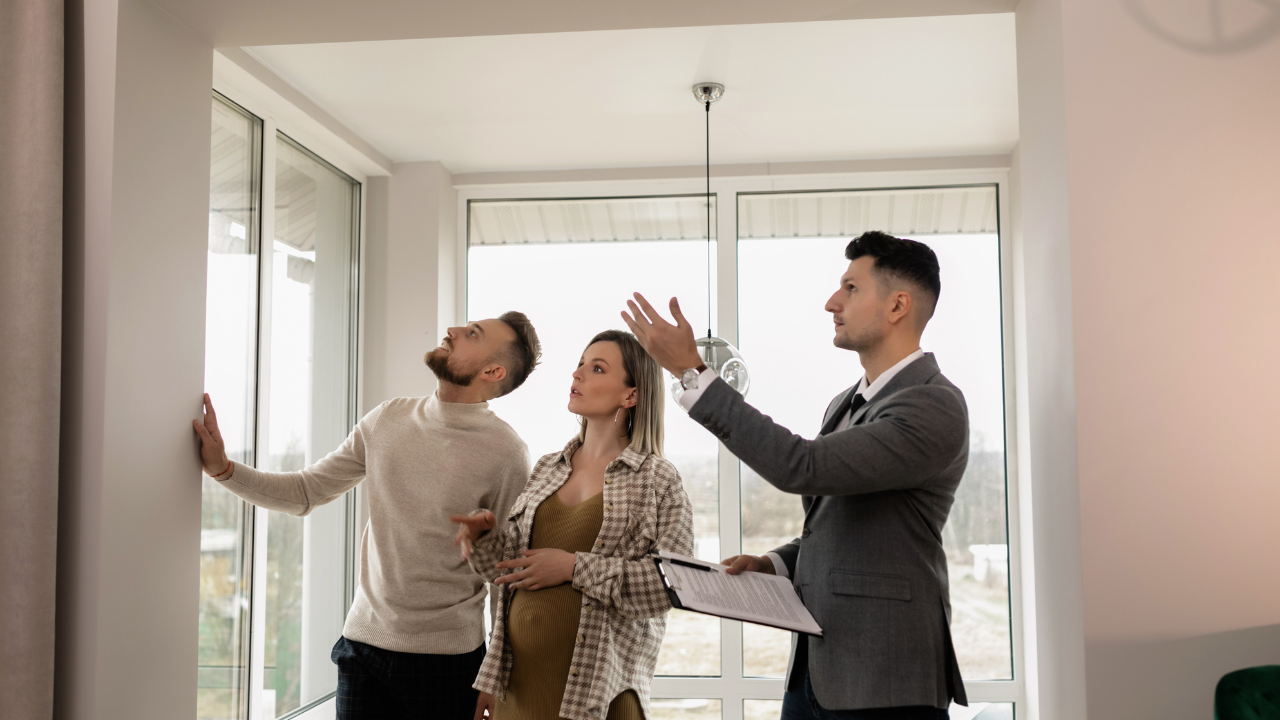
That bold paint color, statement wallpaper, or unique accent wall might feel risky to you—but buyers aren’t shopping for your style.
Most walk in already planning changes.
They’re evaluating space, not décor.
Buyers focus more on:
- Ceiling height and natural light
- Room size and layout
- How easily the home fits their lifestyle
Paint is temporary. Floor plans aren’t.
2. Minor Cosmetic Touch-Ups
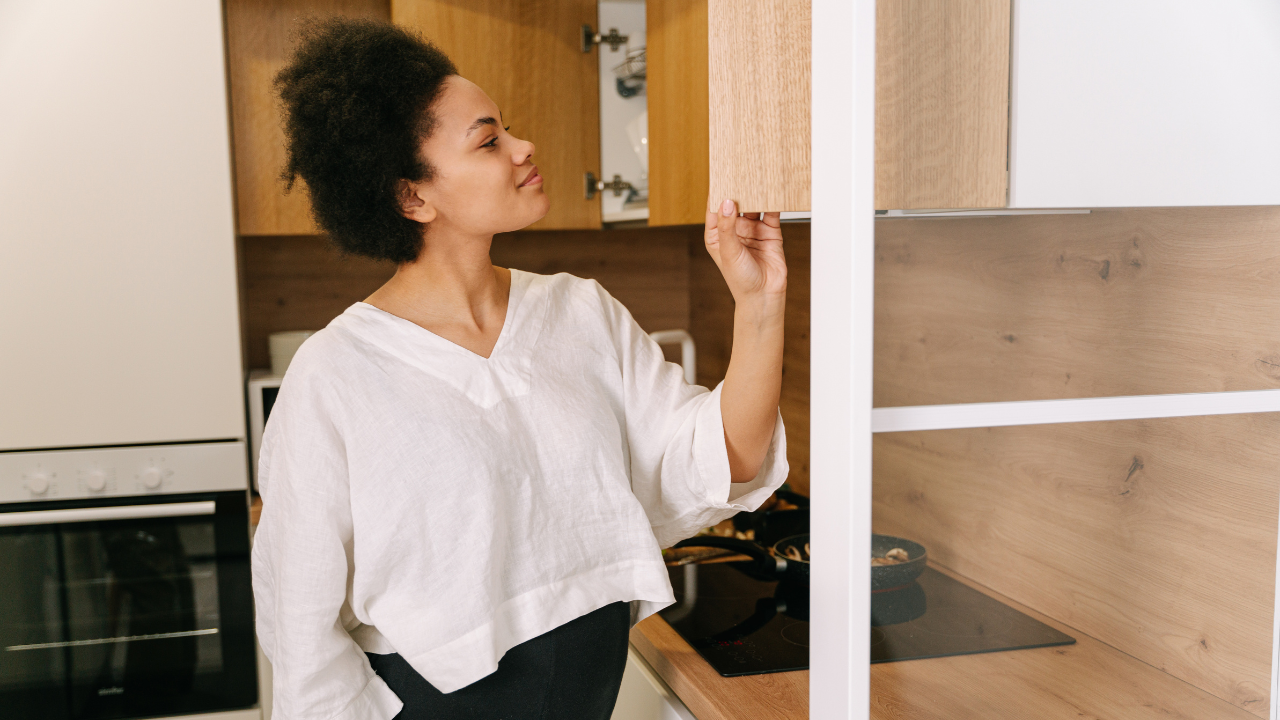
Many sellers assume small upgrades directly increase value. In practice, buyers usually lump these into the “expected” category.
This includes:
- New cabinet knobs
- Trendy tile choices
- Entry-level appliance upgrades
- Basic landscaping refreshes
Nice? Sure. Deal-changing? Rarely.
Buyers care more about:
- Whether the home feels maintained overall
- How it compares to similar homes nearby
- Big-ticket updates already completed
3. Highly Personalized Add-Ons
Custom features often feel impressive—until buyers imagine living with them.
Specialty rooms, themed spaces, or ultra-specific built-ins can actually narrow your buyer pool.
Instead of “wow,” buyers often think:
“How hard will this be to remove?”
What resonates more:
- Neutral, adaptable spaces
- Rooms that can serve multiple functions
- Simplicity over personalization

4. Everyday Wear and Tear
Sellers frequently stress over:
- Small drywall cracks
- Light scuffs on floors
- Older light fixtures
- Minor cosmetic aging
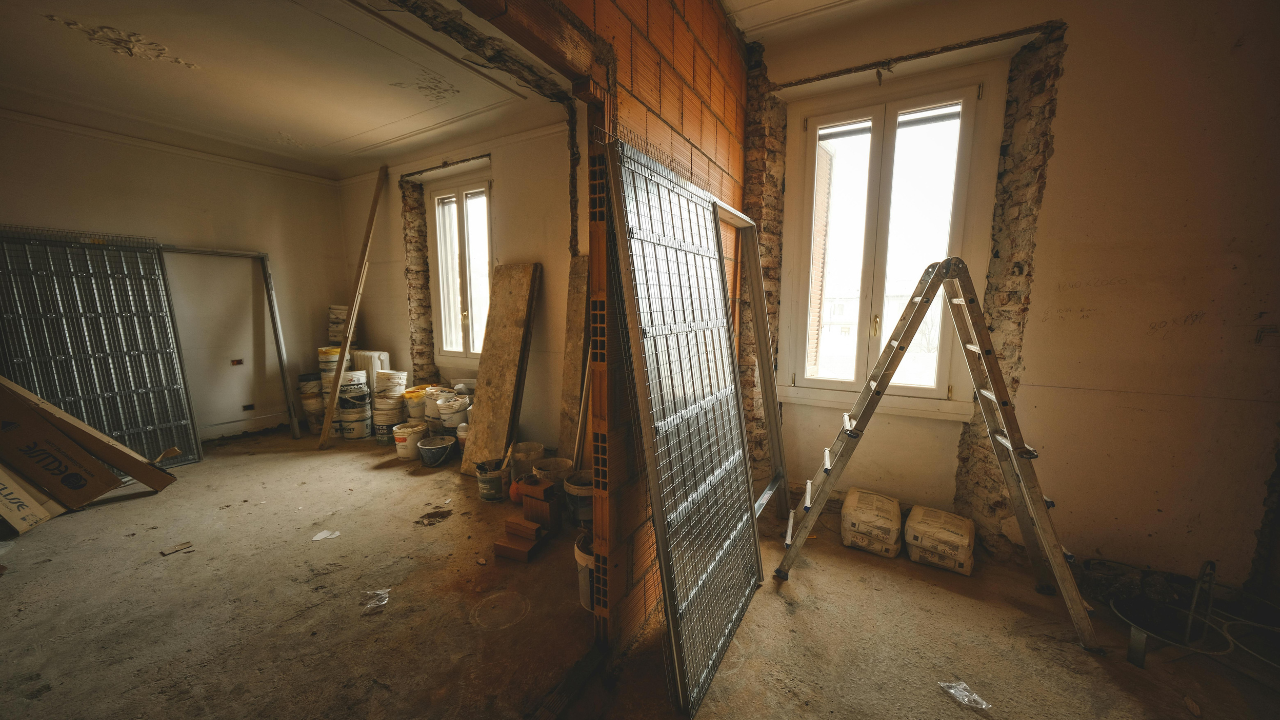
Buyers expect a lived-in home.
These details rarely derail a deal.
What buyers are truly watching for:
- Structural concerns
- Water intrusion or moisture issues
- Aging mechanical systems
- Evidence of neglect
Cosmetic flaws invite negotiation. Structural red flags invite hesitation.
5. Your Personal Investment History
This one surprises many sellers.
How much you spent on the home—renovations included—doesn’t set the price.
Buyers don’t buy based on your cost. They buy based on market value.
Pricing is driven by:
- Recent comparable sales
- Location and neighborhood demand
- Current inventory levels
The market sets the value, not the receipts.

What Buyers Actually Prioritize
When buyers compare homes, they’re asking one core question:
“Is this the best value for the price?”
That judgment is built on:
- Location and surroundings
- Functional layout and usable space
- Condition of major systems
- Long-term maintenance expectations
- Price relative to alternatives
Homes that answer those questions confidently sell faster—and often with fewer concessions.
The Issues That Truly Scare Buyers Away
While cosmetic issues are negotiable, some problems cause buyers to hesitate—or walk entirely.
These include:
- Roofs near the end of their lifespan
- Signs of water damage or ongoing leaks
- Foundation concerns or uneven flooring
- Major electrical or plumbing deficiencies
- HVAC systems that appear outdated or failing
- Lingering smoke or fire damage odors
These aren’t “fix later” items in a buyer’s mind. They’re risk indicators.
Final Thoughts for Sellers
Selling well doesn’t mean selling perfect.
The strongest-performing homes feel clean, solid, and cared for—not over-renovated or overthought.
Most buyers are happy to update finishes over time. What they don’t want are surprises, uncertainty, or major repairs lurking beneath the surface.
If you’re preparing to sell, the smartest strategy is often focusing on market readiness, not chasing upgrades that won’t meaningfully change your outcome.
Sometimes, less fixing leads to better results.
FAQ
1. What do buyers care about most when buying a home?
Buyers prioritize location, layout, overall condition, and price relative to the market. While cosmetic details may catch their eye, decisions are usually driven by functionality, major system health (roof, HVAC, plumbing), and long-term value compared to similar homes.
2. What are the biggest home selling mistakes sellers make?
One of the most common mistakes is over-improving—spending money on upgrades that don’t increase resale value. Other mistakes include overpricing, ignoring major repairs, and delaying listing while chasing cosmetic perfection instead of market readiness.
3. Do cosmetic upgrades actually add value when selling a home?
Most cosmetic upgrades offer limited return on investment. Fresh paint, updated fixtures, or new hardware can help a home show better, but they rarely increase the sale price dollar-for-dollar. Buyers place more value on major updates and overall condition.
4. Is home staging really important, or is it overrated?
Home staging helps buyers visualize space and flow, but it doesn’t need to be elaborate. Clean, decluttered, and neutral spaces are often more effective than heavily styled or personalized décor. Staging supports the sale—it doesn’t replace pricing or condition.
5. Should I fix everything before listing my house?
Not necessarily. Focus on health, safety, and structural issues first. Small imperfections are expected, but unresolved major problems can scare buyers away. A strategic pre-listing evaluation can help determine which fixes are worth doing—and which aren’t.
