
.png)
For decades, the typical homebuyer followed a familiar pattern: dual income, married, buying together.
That picture is changing—and quickly.
Today, one of the most consistent and growing groups in real estate isn’t couples or investors.
It’s single women buying homes on their own.
And they’re not just entering the market—they’re reshaping it.
A Shift That’s Been Building Over Time
This isn’t a sudden spike. It’s a steady shift that’s been building for years.
More women are purchasing homes independently across different life stages:
- Never married
- Divorced or separated
- Widowed
What’s unique isn’t just that they’re buying—it’s that they’re staying.
This creates a stable, long-term presence in the housing market.
The numbers reflect that momentum:
- Over 20 million single women own homes, compared to about 14 million single men
- Homeownership rates for single women are slightly higher than men overall
- Widowed women have one of the highest ownership rates, with long-term tenure
This isn’t a niche group—it’s a major segment shaping demand.

What Sets Single Women Buyers Apart
Buying a home on a single income isn’t easy—especially in today’s market.
But that’s exactly what makes this group stand out.
Single women tend to approach homeownership with:
- Long-term thinking
- Careful budgeting
- Strong financial discipline
While income differences still exist, the strategy behind the purchase often makes the biggest impact.
On average:
- Single women earn less than single men
- A larger percentage of their income goes toward housing
Yet despite that, they continue to achieve—and maintain—homeownership at high levels.
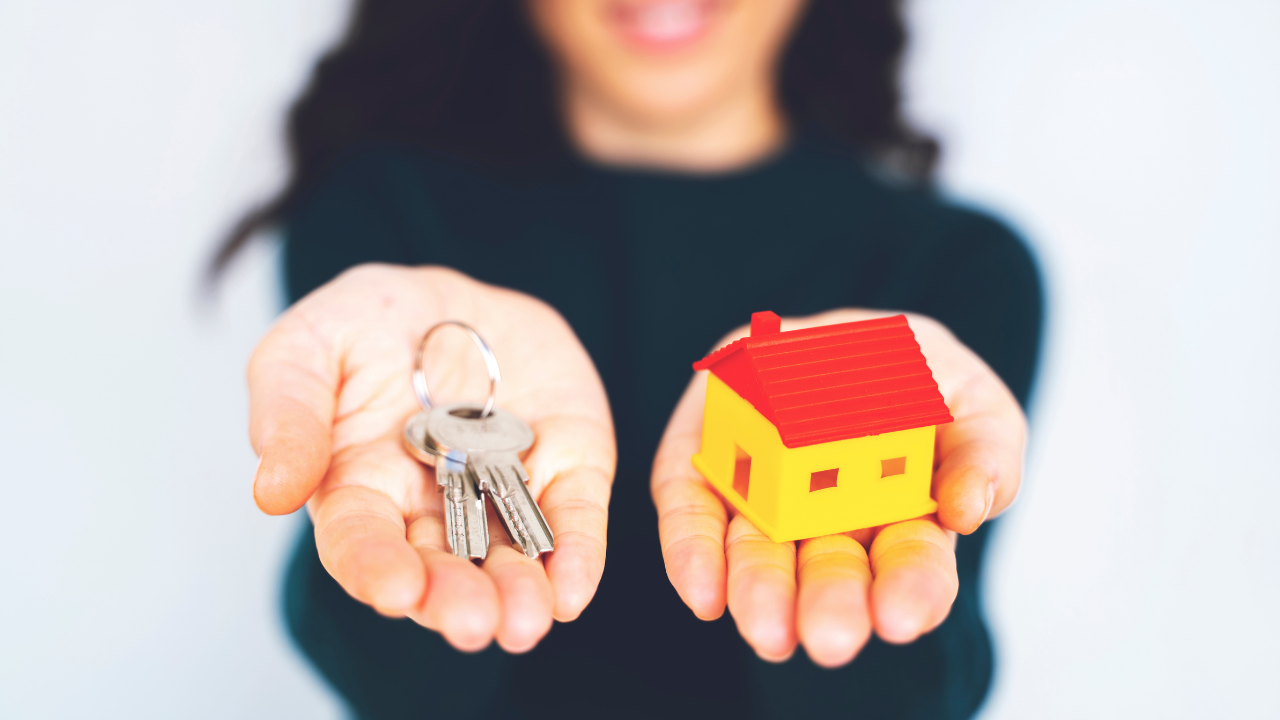
The Long-Term Advantage: Staying Power
Where this trend becomes even more interesting is over time.
Single women are not just buying—they’re holding onto their homes longer.
That consistency leads to:
- Mortgage paydown
- Appreciation gains
- Increased equity
In fact, a slightly smaller percentage of single women homeowners carry a mortgage compared to single men, which suggests more progress toward full ownership over time.
This is where homeownership shifts from a purchase to a wealth-building tool.

What This Means for Today’s Buyers
If you’ve been thinking about buying but feel like you’re at a disadvantage without a second income, this trend tells a different story.
It shows that:
- Homeownership is still accessible
- Strategy matters more than income alone
- Consistency plays a bigger role than timing
Many single buyers succeed by focusing on:
- What they can afford today
- Building equity over time
- Staying in the home long enough to benefit from appreciation
It’s less about perfection—and more about progress.

What This Means for Sellers
This shift also matters if you’re planning to sell.
Single women represent a growing portion of qualified buyers, which means:
- Practical layouts matter
- Affordability matters
- Long-term livability matters
Homes that appeal to this group often emphasize:
- Function over excess
- Manageable costs
- Comfort and security
Understanding who your buyer is can influence how you position your home in the market.
The Bigger Picture
The idea that homeownership requires a partner or a dual income is becoming outdated.
More individuals—especially women—are proving that it’s possible to buy, maintain, and grow wealth through real estate on their own.
This isn’t just a trend.
It’s a shift in how people approach independence, stability, and long-term financial planning.
Homeownership has always been about more than just having a place to live.
For many single women today, it represents:
- Control
- Security
- Financial growth
And perhaps most importantly:
Proof that you don’t have to wait for the “perfect situation” to get started.
FAQ
1. Why are more single women buying homes today?
Single women are entering the housing market in greater numbers due to increased financial independence, career growth, and a shift in lifestyle priorities. Many are choosing to invest in real estate as a way to build long-term stability and equity on their own.
2. Is it harder to buy a home on a single income?
Buying on a single income can be more challenging, but it’s still very achievable. Many buyers succeed by budgeting carefully, choosing homes within their means, and focusing on long-term affordability rather than stretching for the highest price point.
3. How do single women qualify for a mortgage?
Single women qualify for mortgages the same way any buyer does—based on income, credit score, debt-to-income ratio, and overall financial stability. Lenders do not require a co-borrower, and many loan programs are designed to support first-time or solo buyers.
4. What are the biggest advantages of buying a home alone?
Buying a home solo offers full control over decisions, from location to budget to design. It also allows individuals to build equity independently and create long-term financial security without relying on a partner.
5. What should single buyers focus on when purchasing a home?
Single buyers should prioritize affordability, monthly payment comfort, and long-term livability. It’s also important to consider emergency savings, maintenance costs, and choosing a home that fits both current needs and future flexibility.
