.png)
Why Most Buyers Prepare for the Wrong Part of Homeownership
Most people spend months getting “mortgage ready.” They track interest rates, refresh listing pages daily, and run payment calculators like it’s a second job.
Then closing day arrives.
They get the keys… and suddenly realize the monthly payment was only part of the story.
That shock doesn’t come from poor planning. It comes from outdated advice. Most homeownership conversations still revolve around qualifying for a loan, not living comfortably once the loan is yours.
Buying a home isn’t just about crossing the finish line. It’s about making sure you can breathe once you get there.
If you’re preparing to buy a home in 2026, the smartest move isn’t chasing the lowest rate. It’s understanding the true cost of owning a home before you commit.
Mortgage Approval Isn’t the Same as Being Ownership-Ready
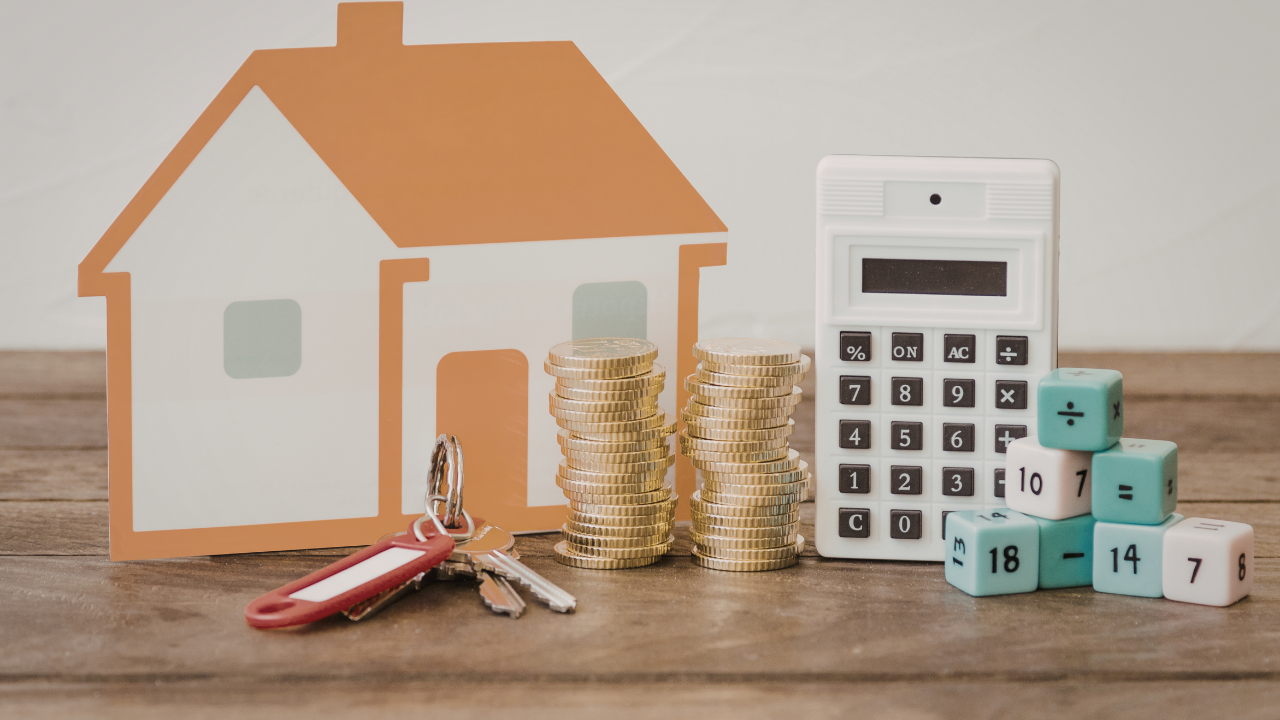
A lender approval tells you how much debt you qualify for — not how much lifestyle you can afford.
Once property taxes, homeowners insurance, maintenance, and rising ownership costs enter the picture, the “approved” payment can feel very different in real life.
This is why buyers who only focus on the mortgage often feel stretched after closing.
Instead of waiting for perfect rates or maxing out approval limits, smart buyers work backward. They start with a monthly number that feels sustainable — even if life throws a curveball.
Talking to a lender early helps too. Not just to get pre-approved, but to understand how income, savings, and spending habits are evaluated. That insight gives you time to adjust before pressure kicks in.
The Down Payment Is a Milestone — Not the Destination
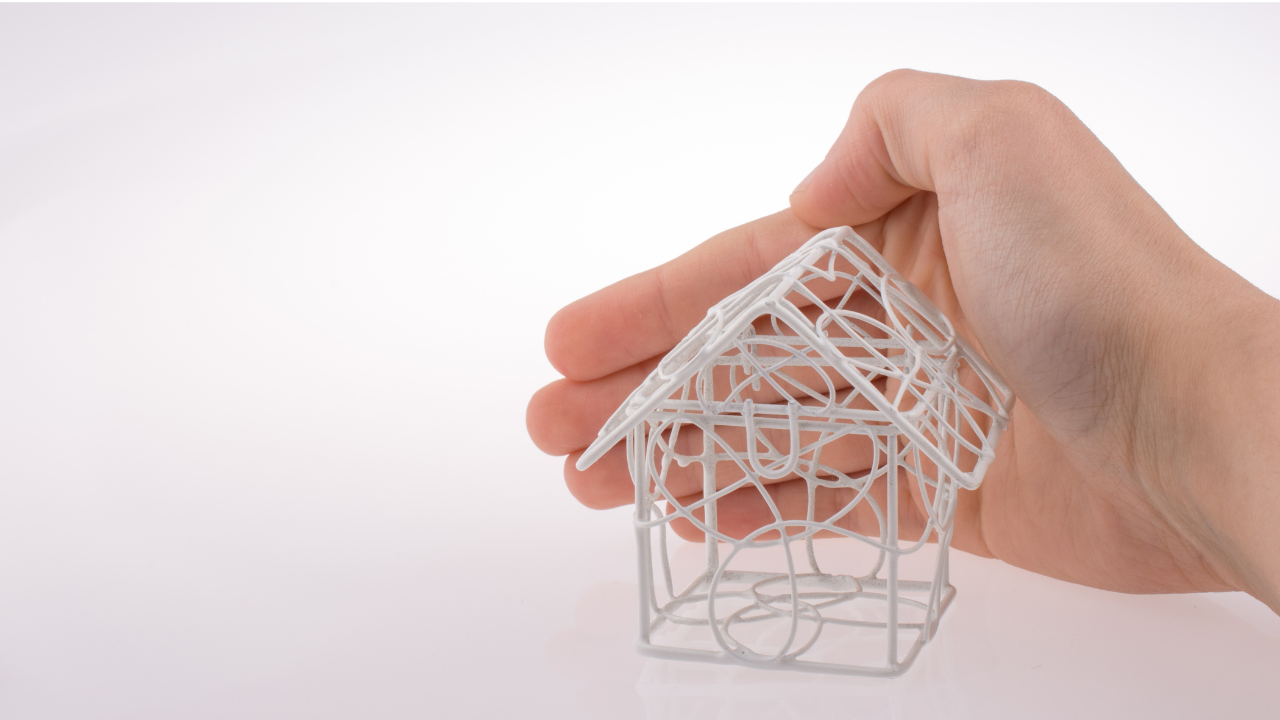
Saving for a down payment is still one of the biggest hurdles in homeownership.
On average, it now takes about seven years to save for a typical down payment. That’s an improvement from the pandemic peak, but still nearly double what was considered normal before 2020.
Why does it take so long?
- Personal savings rates remain below historical averages
- Typical down payments have more than doubled over the past few years
- Rising everyday expenses compete with long-term goals
Hitting your down payment goal is a major win — but it’s only the first checkpoint. Ownership becomes stressful when buyers treat it like the final one.
The Real Costs That Begin After You Close
Here’s the part many first-time buyers in [Market] don’t fully prepare for.
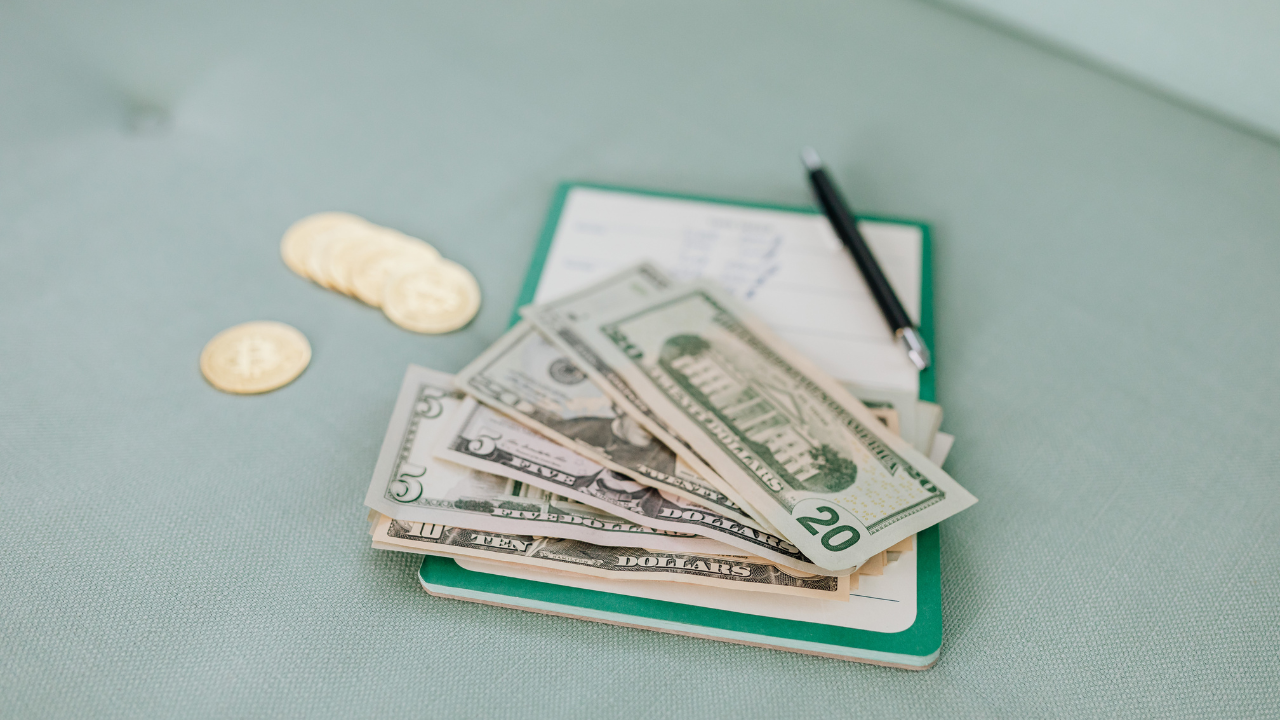
Once you own the home, your mortgage payment becomes just one piece of your monthly housing cost.
Additional expenses often include:
- Homeowners insurance, which has risen sharply in recent years
- Property taxes, which can increase after purchase when assessments reset
- Maintenance and repairs, now estimated at 2%–4% of a home’s value annually
- HOA dues and special assessments, where applicable
When combined, these non-mortgage costs can add anywhere from $1,400 to $3,750 per month, depending on location, property type, and home age.
That number surprises many buyers — but it doesn’t have to.
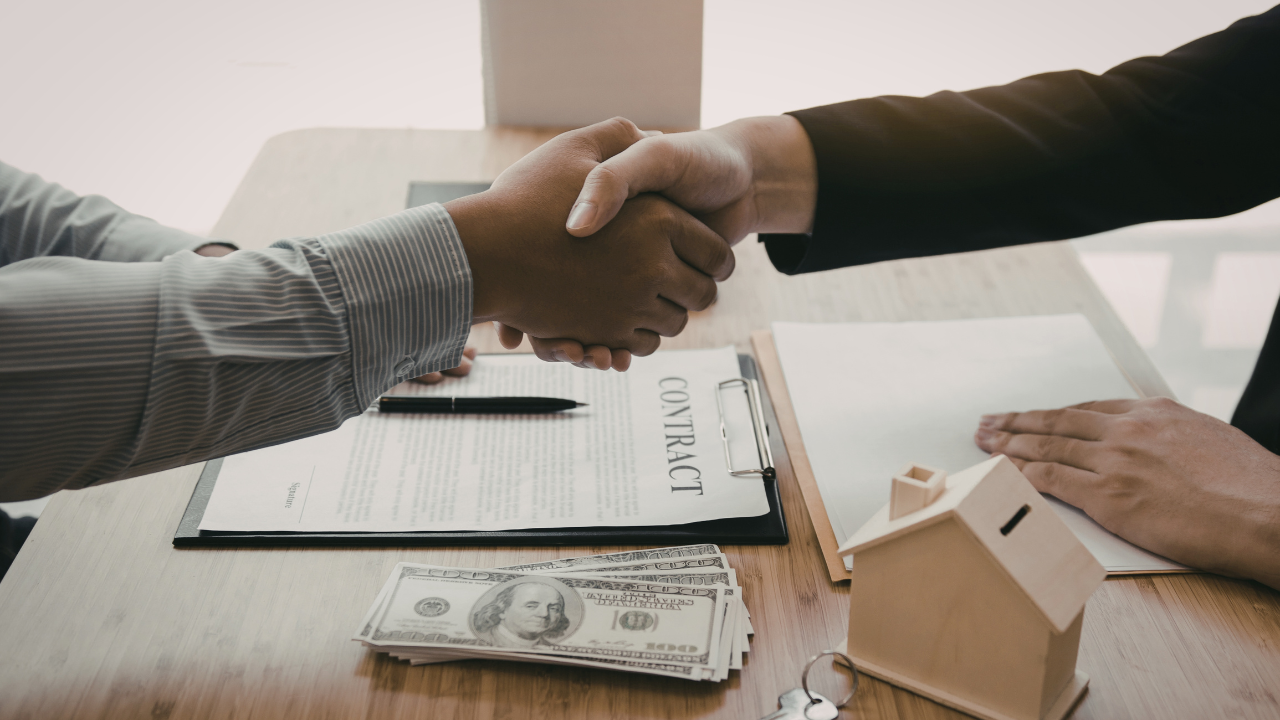
Why Ownership Costs Matter Even More in 2026
Homeownership costs have become less predictable, which makes planning more important than ever.
Insurance premiums are rising at 8%–10% annually in many areas, even without claims. Property taxes can jump unexpectedly after a sale. And maintenance costs don’t arrive on a schedule — they show up when systems fail.
Think of maintenance like potholes on a road trip. You might cruise smoothly for miles, then suddenly hit a bump that rattles your budget.
Planning ahead doesn’t mean expecting disaster. It means building buffers so surprises don’t become emergencies.
How Smart Buyers Prepare for the True Cost of Owning a Home
Ownership-ready buyers don’t aim for the maximum loan amount. They aim for flexibility.
That often means:
- Keeping cash reserves beyond the down payment
- Choosing a payment that leaves room for savings and life changes
- Understanding trade-offs before writing an offer
This mindset creates confidence. Buyers who plan this way tend to feel calmer, less reactive, and more in control — even when the unexpected happens.

The Real Win Isn’t Buying the Home — It’s Staying Comfortable in It
Buying a home is a milestone worth celebrating.
But the real success comes after closing — when your finances still feel balanced, your savings stay intact, and your home supports your life instead of stressing it.
In 2026, the buyers who thrive are the ones who understand the full picture of homeownership costs and plan for them early.
Approval gets you the keys. Preparation lets you enjoy them.
FAQs
1. What is the true cost of owning a home beyond the mortgage?
Beyond the loan payment, homeowners pay for insurance, property taxes, maintenance, repairs, and sometimes HOA fees. These costs can add thousands per month depending on the home and location.
2. How much should I budget annually for home maintenance?
Most experts recommend budgeting 2%–4% of your home’s value each year, especially for older homes or properties with aging systems.
3. Why do property taxes increase after buying a home?
In many markets, taxes reset based on the new purchase price, which can cause a significant jump compared to what the previous owner paid.
4. Are homeowners insurance costs really increasing that fast?
Yes. Many areas are seeing annual insurance increases of 8%–10% due to rising construction costs, climate risks, and reinsurance changes.
5. How can first-time buyers prepare for ownership costs in [Market]?
Start early, plan beyond the mortgage, build reserves, and work with professionals who explain long-term costs — not just approval numbers.
