
.png)
Buying your first home is one of the biggest milestones you’ll ever hit. It’s exciting, nerve-wracking, and honestly… a little overwhelming.
One minute you’re imagining your dream kitchen. The next, you’re Googling terms like escrow, closing costs, and pre-approval wondering if you accidentally signed up for a finance class.
Here’s the truth: you don’t need to know everything.
You just need to focus on the right things first.
If you get these three steps right, everything else becomes a lot easier—and you avoid the mistakes that cost first-time buyers thousands.
Let’s break it down.
Why Buying Your First Home Feels So Overwhelming
Buying a home isn’t just a transaction—it’s emotional.
You’re not just choosing a property. You’re choosing where you’ll wake up, unwind, build routines, and live your life.
That’s why it can feel like you’re juggling two completely different mindsets:
- Excitement (this is mine!)
- Fear (what if I mess this up?)
Totally normal.
But here’s the good news: once you simplify the process into a few key priorities, everything starts to feel more manageable.
What Most First-Time Buyers Get Wrong
Most first-time buyers start in the wrong place.
They jump straight into browsing homes… fall in love with one… and then figure out if it actually makes sense financially.
That’s like picking a destination before checking your gas tank.
Another big mistake? Underestimating the true cost of owning a home.
It’s not just the monthly payment. There’s:
- Property taxes
- Insurance
- Maintenance
- Repairs
- Closing costs
And one more thing people overlook?
👉 The neighborhood.
You can upgrade a house. You can’t upgrade its location.
Must-Do #1: Know Your Real Budget Before You Shop
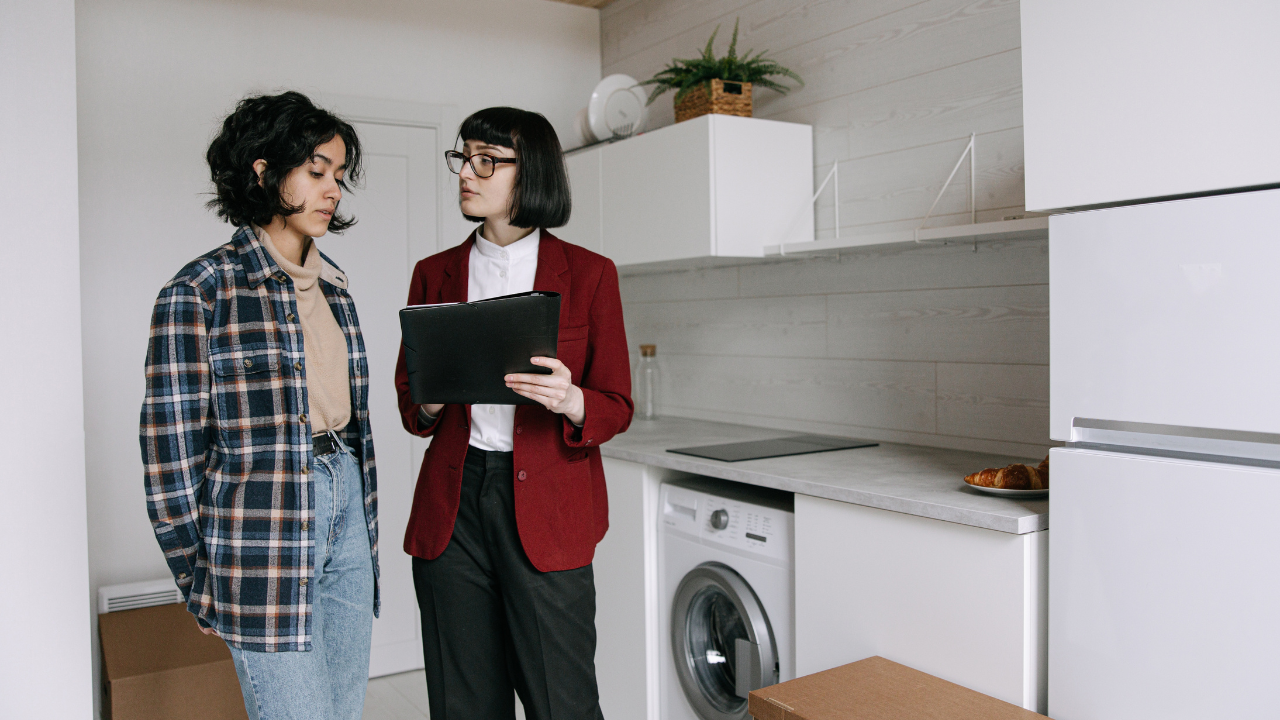
Before you even open Zillow or attend a showing, you need one thing:
👉 Clarity on your real budget.
Not the max a lender will approve you for.
Not the number that “might work.”
Your real budget is what you can afford comfortably.
That means:
- You can still save money
- You can still enjoy life
- You’re not stressed every month
Because your home should feel like stability—not pressure.
Look Beyond the Mortgage Payment
Here’s where a lot of people get it wrong.
They focus only on the mortgage… but that’s just one piece.
You also need to factor in:
- Property taxes
- Homeowner’s insurance
- HOA fees (if any)
- Utilities
- Maintenance
Owning a home is a bit like owning a car—you don’t just pay for it once.
Don’t Forget Upfront Costs
Before you even get the keys, there are costs waiting for you:
- Closing costs
- Inspections
- Appraisal fees
- Moving expenses
- Initial repairs or upgrades
These can add up fast.
So instead of stretching your entire savings on the down payment, give yourself room to breathe.
Build a Financial Cushion
This is one of the smartest things you can do.
Because here’s the reality:
Things will break.
It’s not “if.” It’s “when.”
Having extra cash saved means:
- You don’t panic
- You don’t rely on credit
- You stay in control
Why Emergency Savings Matter More Than You Think
Think of your emergency fund like a seatbelt.
You don’t plan on needing it—but you’ll be glad it’s there.
Even small issues (plumbing, appliances, repairs) can cost hundreds or thousands.
And when you’re a homeowner, those costs are on you.
Must-Do #2: Get Pre-Approved Before House Hunting
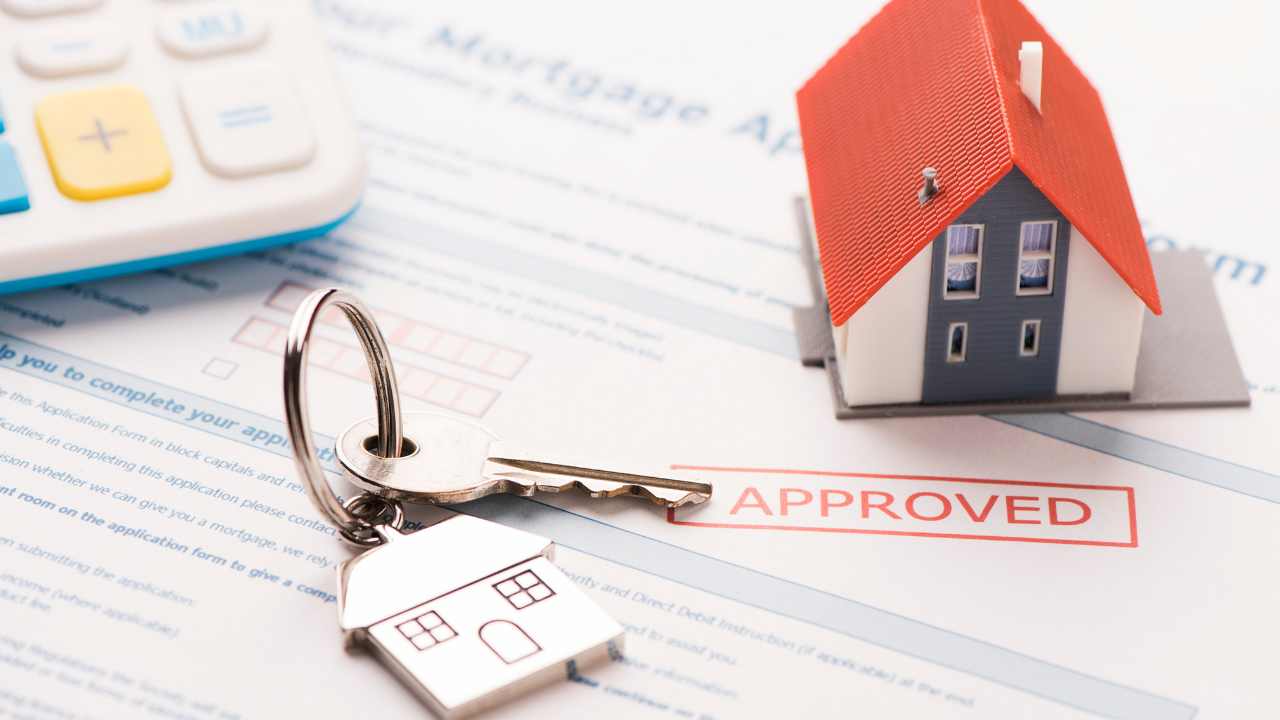
If budget is step one, this is step two.
👉 Get pre-approved.
This tells you exactly how much a lender is willing to lend you—and shows sellers you’re serious.
Without it, you’re guessing.
With it, you’re ready.
Pre-Approval vs. Pre-Qualification
Quick breakdown:
- Pre-qualification: rough estimate
- Pre-approval: verified and stronger
Pre-approval means your finances have been reviewed.
It carries weight.
Why Pre-Approval Gives You an Advantage
In a competitive market, sellers don’t just look at price.
They look at:
- Who is most likely to close
- Who is financially ready
A pre-approved buyer signals:
👉 “I’m serious. I’m ready. Let’s move.”
It Makes the Process Faster (and Less Stressful)
When you find the right home, timing matters.
Pre-approval allows you to:
- Submit offers faster
- Stay within your range
- Avoid wasting time
It keeps your search focused—and your expectations realistic.
What You’ll Need to Get Pre-Approved
Expect to provide:
- Pay stubs
- Tax returns
- Bank statements
- ID
- Debt information
It might feel like a lot—but it’s worth it.
Must-Do #3: Understand the Neighborhood (Not Just the House)

This is the one most buyers underestimate.
You’re not just buying a house.
You’re buying:
- The street
- The area
- The lifestyle
And that affects your daily life more than the house itself.
Visit the Area at Different Times
A neighborhood can feel completely different depending on the time of day.
Try visiting:
- Morning
- Evening
- Weekend
Look at:
- Traffic
- Noise
- Parking
- Overall vibe
Because you’re not just buying space—you’re buying experience.
Check What’s Around You
Think about your day-to-day life.
Are there:
- Grocery stores nearby?
- Restaurants or cafes?
- Parks or gyms?
- Easy access to roads or highways?
Convenience isn’t flashy—but it matters a lot long-term.
Think About Resale Value Early
Even if you’re planning to stay long-term, things change.
Ask yourself:
- Will other buyers want this area later?
- Is the neighborhood growing?
Smart buyers always think one step ahead.
Location Can Make or Break Everything
Two identical homes can feel completely different depending on where they are.
One could be peaceful and quiet.
The other could be noisy and chaotic.
Same house. Different experience.
That’s the power of location.
Common Mistakes First-Time Buyers Should Avoid
Let’s keep it real—here are the biggest mistakes:
- Buying at the top of your budget
- Skipping inspections
- Taking on new debt during the process
- Rushing because of pressure
Buying a home isn’t a race.
It’s a decision you want to get right.
How to Make the Process Easier
A few simple tips:
- Stay organized
- Know your must-haves vs. nice-to-haves
- Communicate with your agent and lender
- Accept that no home is perfect
You’re not looking for perfection.
You’re looking for the right fit.
Final Thoughts for First-Time Buyers
If you’re feeling overwhelmed—that’s normal.
But remember this:
You don’t need to know everything.
You just need to focus on the fundamentals.
- Know your budget
- Get pre-approved
- Understand the neighborhood
Do these right, and everything else becomes clearer.
Conclusion
Buying your first home is a big move—but it doesn’t have to feel chaotic.
When you focus on the right steps early, you gain clarity, confidence, and control over the process.
Know what you can truly afford.
Position yourself as a strong buyer.
And choose a location that supports your lifestyle.
Because at the end of the day…
👉 It’s not just about buying a house.
👉 It’s about building the life you want inside it.
FAQs
1. What should I do first when buying my first home?
Start by understanding your real budget. Know what you can comfortably afford before looking at homes.
2. Is pre-approval really necessary?
Yes. It strengthens your offer and helps you shop within your actual price range.
3. How much should I save before buying a home?
You’ll need funds for a down payment, closing costs, moving expenses, and emergency savings.
4. Why is location so important?
Because it affects your daily life, convenience, and future resale value—more than the house itself.
5. What should I avoid during the buying process?
Avoid new debt, rushing decisions, and stretching your budget too thin.
