
.png)
For years, selling a home followed a predictable script:
Bigger house. Bigger rooms. Bigger price.
But that formula is losing traction.
Recent long-term listing analysis from Zillow—spanning 20 years of data—shows a clear shift in buyer behavior. Size alone isn’t commanding attention the way it once did. Instead, buyers are focusing on efficiency, adaptability, and long-term livability.
If you're planning to sell in 2026, understanding this shift could shape how you price, prepare, and position your home.
The End of the “Bigger Is Better” Era
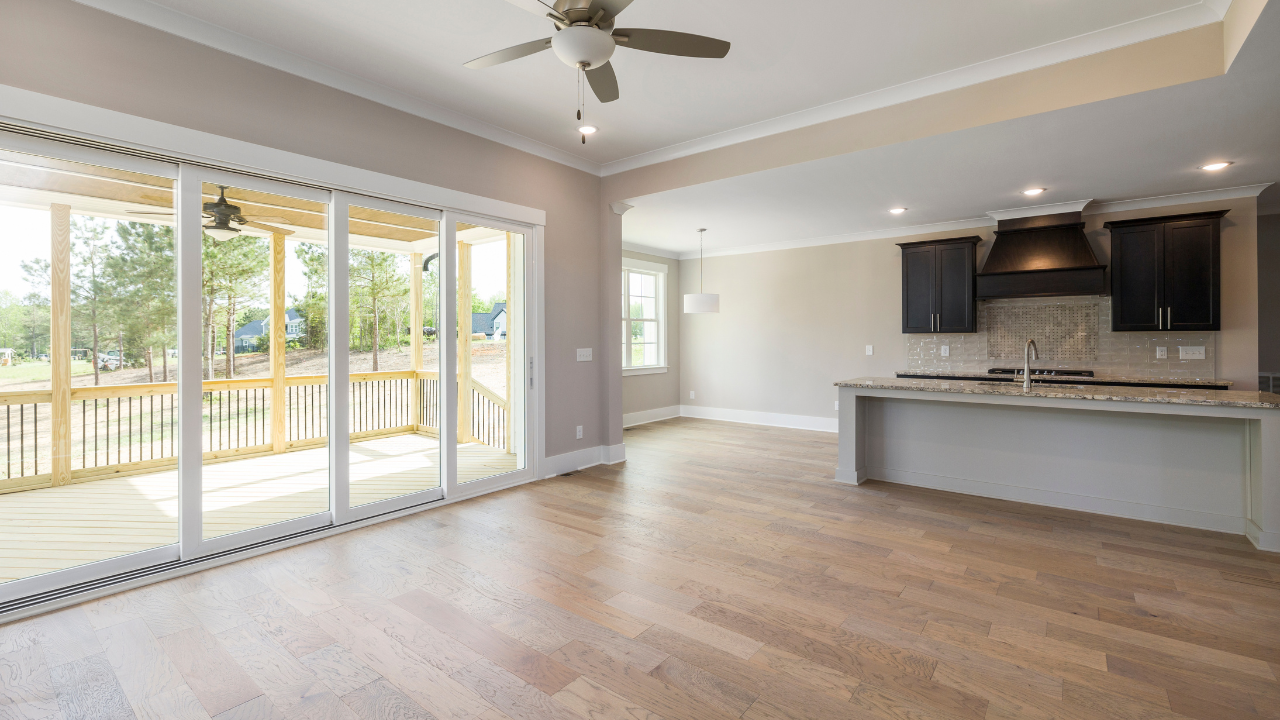
There was a time when large square footage felt like automatic leverage. During the peak of the McMansion trend, dramatic ceilings, oversized foyers, and sprawling floor plans symbolized success.
Today? Buyers are more measured.
Zillow’s historical data shows newly built homes trending smaller, not larger—and demand appears to be aligning with that direction.
Why?
Because larger homes come with larger responsibilities.
Buyers are increasingly calculating:
- Monthly heating and cooling expenses
- Insurance costs tied to total structure size
- Long-term maintenance obligations
- Repair and replacement costs for oversized features
Instead of asking, “How big is it?” buyers are asking, “How practical is it?”
A well-designed 2,400-square-foot home often resonates more than a 3,800-square-foot home filled with underused space.
Function Is Replacing Formality
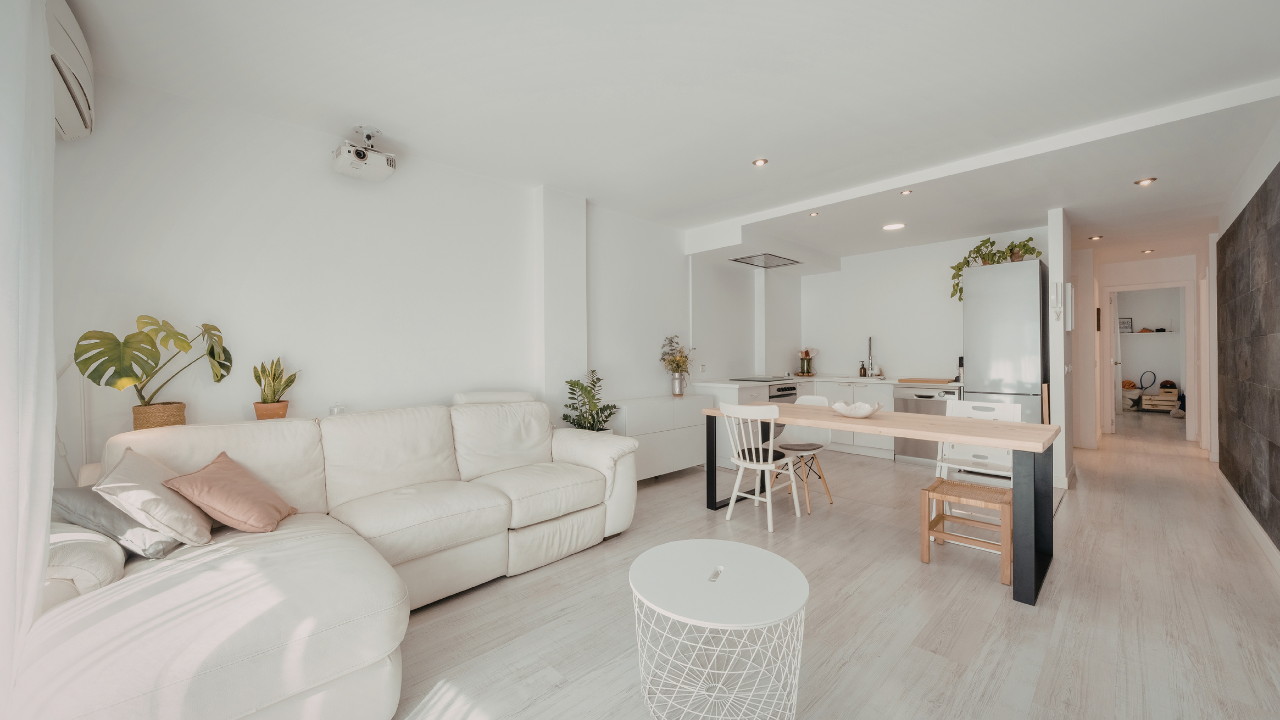
Another noticeable shift: traditional formal rooms are losing relevance.
Spaces that were once considered essential—formal dining rooms, sitting rooms, double-height entry statements—are now being evaluated differently.
Buyers are prioritizing usability.
They want:
- Defined areas for work or quiet time
- Flexible layouts that adjust to changing routines
- Spaces that feel comfortable year-round
Zillow reports a 48% increase in listings mentioning reading nooks—an indicator that buyers value contained, functional retreat spaces over expansive but undefined rooms.
The modern buyer is imagining daily life, not just holiday gatherings.
The Shift in Design Preferences
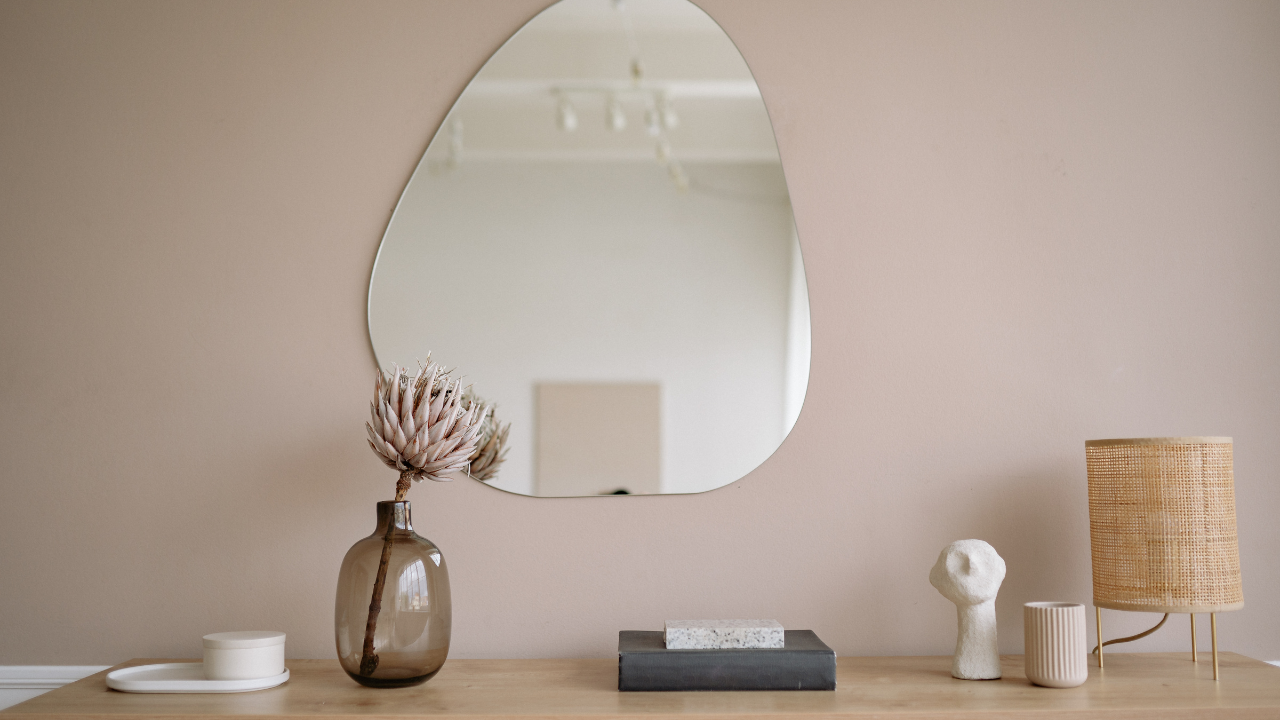
For years, sellers were told to “neutralize everything.”
Beige walls. Safe finishes. Minimal personality.
But recent listing trends suggest buyers aren’t necessarily rewarding bland design.
Mentions of “color drenching” are up 149%, and Zillow’s paint research shows that darker shades—like olive green, navy blue, and charcoal—are sometimes associated with stronger offers.
The takeaway isn’t to chase trends. It’s to understand that buyers are less fearful of character than they once were.
A home that feels intentional often connects more than one stripped of personality.
What Buyers Now Consider a “Real Upgrade”

In the past, upgrades meant visible finishes:
Quartz counters. New cabinets. Decorative lighting.
Today, buyers are placing more weight on upgrades that influence:
- Monthly expenses
- Comfort
- Long-term resilience
Zillow’s data shows increased listing mentions for:
- Zero-energy-ready homes (+70%)
- Whole-home batteries (+40%)
- EV charging stations (+25%)
- Spa-style bathrooms (+22%)
- Lifestyle features like golf simulators and pickleball courts (+25%)
But beyond amenities, there’s a deeper pattern: buyers are thinking about predictability.
They want to know:
- Will utility bills stay manageable?
- Is this home energy efficient?
- Is it equipped for future technology?
- Does it reduce climate or insurance risk exposure?
Efficiency is becoming aspirational.
Buyers Are Choosing Livability Over Flash
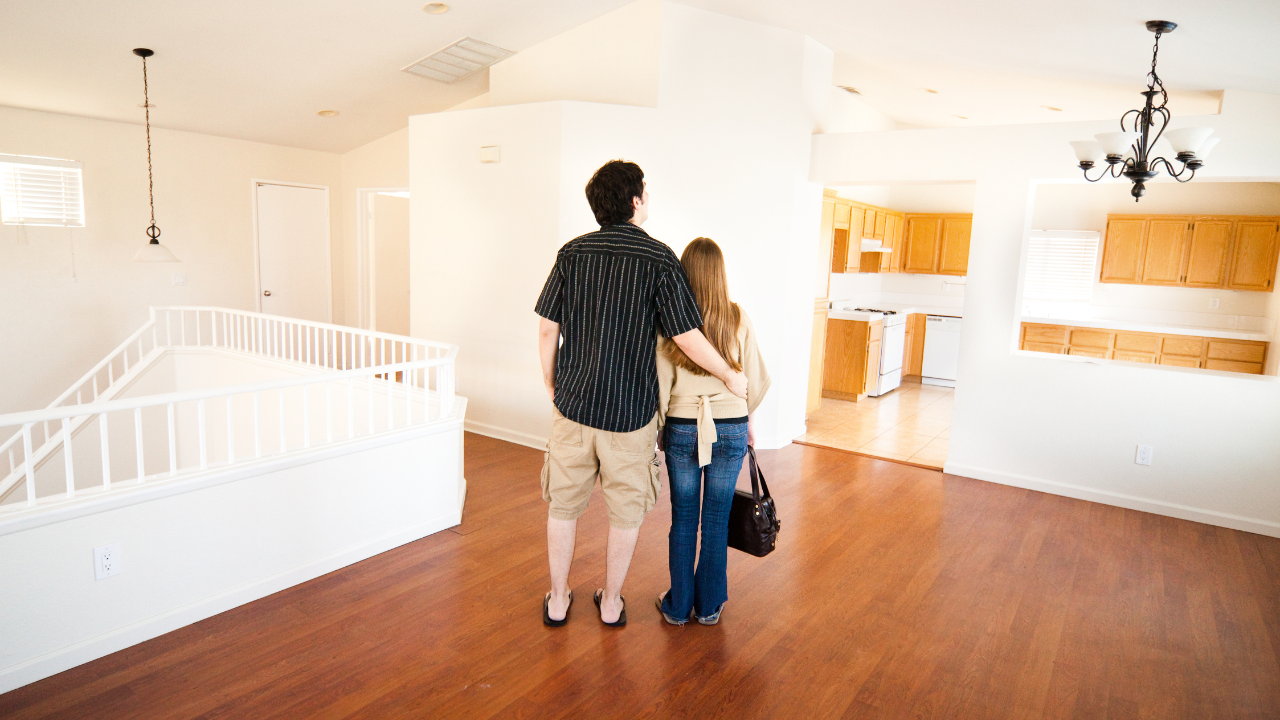
After a showing, most buyers aren’t ranking homes by grandeur.
They’re asking:
- Can we comfortably live here long-term?
- Will this home adapt to our needs?
- Does this space feel intuitive?
- Are future costs manageable?
Homes that communicate practicality, flexibility, and efficiency tend to stand out.
As Zillow home trends expert Amanda Pendleton notes:
“If the past 20 years transformed homes from status symbols into personal sanctuaries, the next 20 will be about adaptability… The smartest homes won't feel high-tech; they'll feel intuitive, lived-in and supportive.”
That perspective reflects where buyer psychology is heading.
What This Means If You’re Selling in 2026
If you're preparing your home for sale, the strategy isn’t about making it bigger or more dramatic.
It’s about positioning it as:
- Efficient
- Adaptable
- Cost-conscious
- Comfortable
- Future-ready
Highlight practical upgrades. Clarify utility efficiency. Emphasize usable spaces.
Today’s buyers aren’t chasing square footage.
They’re buying sustainability, manageability, and smart design.
Frequently Asked Questions
1. Are smaller homes becoming more desirable to buyers?
In many markets, yes. Buyers are prioritizing manageable layouts and lower operating costs over sheer size. A well-designed home with efficient use of space often appeals more than a larger home with underutilized areas.
2. Does square footage still affect home value?
Square footage still matters—but it’s no longer the primary driver of perceived value. Buyers now weigh size alongside layout efficiency, energy costs, and functionality. Larger doesn’t automatically mean better if operating expenses are significantly higher.
3. What upgrades attract buyers the most in 2026?
Energy-efficient features, EV readiness, whole-home batteries, and climate-resilient improvements are gaining traction. Buyers are also drawn to flexible layouts and wellness-oriented spaces that support everyday living.
4. Should sellers still use neutral paint colors?
Neutral colors remain safe, but buyers are less resistant to intentional, darker tones than in previous years. The key is cohesion and quality—not necessarily eliminating all personality.
5. How can I position my home to match today’s buyer priorities?
Focus on communicating efficiency, layout functionality, and long-term cost savings. Highlight insulation, updated systems, energy features, and adaptable spaces. Buyers want homes that feel supportive—not oversized or high-maintenance.
